oklahoma public hunting land map pdf
Oklahoma Public Hunting Land Map PDF: A Comprehensive Guide
Oklahoma offers diverse public hunting opportunities, and accessing detailed maps is crucial for a successful and lawful hunt.
Information regarding Corps of Engineers lands, Chickasaw National Recreation Area, and WMAs are readily available.
Digital tools like onX Hunt enhance planning, providing seasons, and interactive maps, while official ODWC resources offer PDF maps.
Oklahoma presents a wealth of opportunities for hunters, boasting extensive public lands managed for wildlife and recreation. Understanding how to navigate these areas effectively begins with access to reliable mapping resources. The state’s diverse landscape, ranging from sprawling plains to forested hills, supports a variety of game species, attracting both resident and non-resident hunters alike.
Successfully planning a hunt in Oklahoma requires familiarity with the different land management agencies involved, including the Oklahoma Department of Wildlife Conservation (ODWC), the U.S. Army Corps of Engineers, and the National Park Service. Each agency has its own regulations and specific areas open to hunting. Utilizing available maps, particularly those in PDF format, is essential for identifying legal hunting boundaries, understanding terrain features, and locating potential wildlife habitats.
These maps are not merely navigational tools; they are vital for ensuring compliance with Oklahoma’s hunting regulations and promoting responsible hunting practices. Hunters should always consult the latest official maps and regulations before venturing onto public lands, as rules and boundaries can change.
Understanding Oklahoma Hunting Regulations
Oklahoma hunting regulations are crucial for a safe, ethical, and legal hunting experience. These rules, established by the Oklahoma Department of Wildlife Conservation (ODWC), cover a wide range of topics, including licensing requirements, legal hunting hours, permissible weapons, and bag limits for various game species. Regulations differ based on the specific wildlife being hunted and the land on which the hunt takes place.
When hunting on Corps of Engineers lands, hunters must adhere to both state regulations and any specific restrictions imposed by the Corps. Similarly, the Chickasaw National Recreation Area and National Park Service lands have unique rules that hunters must understand and follow. Ignoring these regulations can result in fines, loss of hunting privileges, and even criminal charges.
Accessing and reviewing the current Oklahoma Hunting Guide, available from the ODWC, is paramount. This guide details all applicable regulations and is often available in PDF format for convenient download. Utilizing digital mapping tools, like onX Hunt, can also help hunters understand zone boundaries and season dates, ensuring compliance while planning their hunts.
Where to Find Official Oklahoma Hunting Maps
Official Oklahoma hunting maps are essential for navigating public hunting lands and understanding property boundaries. The primary source for these maps is the Oklahoma Department of Wildlife Conservation (ODWC) website. Here, hunters can typically find downloadable PDF maps of Wildlife Management Areas (WMAs) and other public hunting grounds.
Maps detailing Corps of Engineers lands open to hunting are available online through the Tulsa District website. These resources provide detailed depictions of hunting zones and any specific restrictions in place. For the Chickasaw National Recreation Area, maps can be found on the U.S. National Park Service website, outlining permitted hunting areas and regulations.
Beyond official sources, digital mapping applications like onX Hunt offer comprehensive hunting maps, often including public land boundaries, topography, and other useful features. These tools frequently integrate with ODWC data, providing hunters with up-to-date information. Always cross-reference digital maps with official ODWC publications to ensure accuracy and compliance.
Oklahoma Department of Wildlife Conservation (ODWC) Resources
The Oklahoma Department of Wildlife Conservation (ODWC) is the central hub for all things hunting in the state, including access to crucial mapping resources. Their website provides downloadable PDF maps of Wildlife Management Areas (WMAs), detailing boundaries, terrain features, and designated hunting zones. These maps are regularly updated to reflect changes in land access or regulations.
ODWC also offers a wealth of information regarding hunting regulations, season dates, license requirements, and safety guidelines. Hunters can find official rules and regulations pertaining to all game species, ensuring a legal and ethical hunting experience. The department’s publications often include map excerpts or references to online mapping tools.
Furthermore, the ODWC provides contact information for local wildlife biologists and game wardens, offering hunters a direct line to expert advice and assistance. Utilizing these resources is paramount for responsible hunting and staying informed about any specific restrictions or alerts affecting public hunting lands in Oklahoma.
Utilizing the ODWC Interactive Hunting Atlas
The Oklahoma Department of Wildlife Conservation (ODWC) offers a powerful Interactive Hunting Atlas, a digital mapping tool that surpasses traditional PDF maps in functionality. This online resource allows hunters to visualize public hunting lands with detailed layers, including WMA boundaries, land ownership, topographic features, and even road networks.
Users can zoom in to specific areas of interest, identify parcel boundaries, and access information about permitted hunting activities on each tract. The Atlas integrates with other ODWC data, providing quick access to season dates, bag limits, and relevant regulations. It’s a dynamic tool, meaning updates are reflected in real-time, ensuring hunters have the most current information.
Beyond basic mapping, the Interactive Hunting Atlas often includes features like measuring distances, creating custom map layers, and exporting map images for offline use. This digital approach streamlines hunt planning, allowing hunters to efficiently scout locations and navigate public lands with confidence.
Downloading Public Hunting Land Maps in PDF Format
While the ODWC Interactive Hunting Atlas is a robust tool, many hunters still prefer the convenience of downloadable PDF maps for offline access. The ODWC website provides a selection of these maps, typically organized by Wildlife Management Area (WMA) or region; These PDFs offer a static snapshot of hunting land boundaries, topographic features, and designated hunting zones.
Additionally, hunting maps for Corps of Engineers lakes in Oklahoma are available online, often in PDF format, detailing restricted hunting areas and specific regulations for those lands. These PDF maps are invaluable when cell service is unreliable or when a digital device isn’t practical in the field.
It’s crucial to download the most recent versions of these PDF maps, as boundaries and regulations can change. Always cross-reference the PDF information with the current Oklahoma Hunting Regulations to ensure compliance and a safe, legal hunting experience. Regularly checking for updates is essential.
Corps of Engineers Lands Open to Hunting
The U.S. Army Corps of Engineers manages significant land areas in Oklahoma that are open to public hunting, offering diverse opportunities for sportsmen. These lands, surrounding numerous lakes and reservoirs, are subject to specific regulations that differ from statewide Oklahoma hunting rules. Hunting maps detailing these areas are readily accessible online, specifically through the Tulsa District website.
Generally, Corps lands are available for restricted hunting, adhering to all provisions outlined in the Oklahoma Hunting Regulations, with some exceptions. These exceptions often involve safety zones around developed recreation areas and specific restrictions on permitted hunting methods. Hunters must be aware of these nuances to avoid violations.
Accessing these maps is vital for understanding boundaries, identifying restricted zones, and confirming permissible hunting activities. It’s crucial to review the specific regulations for each lake, as they can vary. Always prioritize safety and responsible hunting practices on Corps of Engineers lands.
Chickasaw National Recreation Area Hunting Information
The Chickasaw National Recreation Area, managed by the U.S. National Park Service, presents unique hunting opportunities within its boundaries. Located near Sulphur, Oklahoma, this area requires hunters to be fully informed about specific regulations that differ significantly from general Oklahoma hunting laws. As of November 20, 2025, current conditions and alerts are available online, impacting hunting access and rules.
Hunting within the Chickasaw NRA is permitted, but subject to strict guidelines designed to ensure public safety and resource conservation. Hunters must obtain necessary permits and adhere to designated hunting zones. It’s essential to consult the official National Park Service website for the most up-to-date information regarding seasons, allowable species, and any temporary closures.
Detailed maps outlining hunting areas and restrictions are crucial for planning a successful and legal hunt. Contacting the Chickasaw NRA directly at 580-622-7234 can provide clarification on specific regulations and current conditions. Prioritize responsible hunting and adherence to all posted rules;
National Park Service Hunting Regulations
Generally, hunting within National Park Service (NPS) lands is heavily restricted, differing significantly from Oklahoma’s statewide hunting regulations. However, specific units, like the Chickasaw National Recreation Area, may permit hunting under carefully controlled conditions. It’s crucial to understand that most national parks prioritize preservation and limit or prohibit hunting activities.
When hunting is allowed on NPS land in Oklahoma, it operates under a unique set of rules dictated by the NPS, often in coordination with the Oklahoma Department of Wildlife Conservation (ODWC). These regulations cover permitted species, seasons, methods of take, and required permits – all distinct from standard Oklahoma hunting licenses.
Accessing accurate and current information is paramount. Hunters must consult the specific NPS unit’s website and regulations before planning a hunt. Maps detailing permitted hunting zones, if any, are essential. Ignoring these regulations can result in substantial fines and legal penalties. Always prioritize compliance and responsible hunting practices within NPS boundaries.
WMAs (Wildlife Management Areas) in Oklahoma
Oklahoma’s Wildlife Management Areas (WMAs) represent a cornerstone of public hunting opportunities, offering diverse habitats and managed populations. These areas are specifically designated for wildlife conservation and public use, including hunting, fishing, and trapping. Understanding WMA-specific regulations is vital, as they often differ from statewide hunting laws.
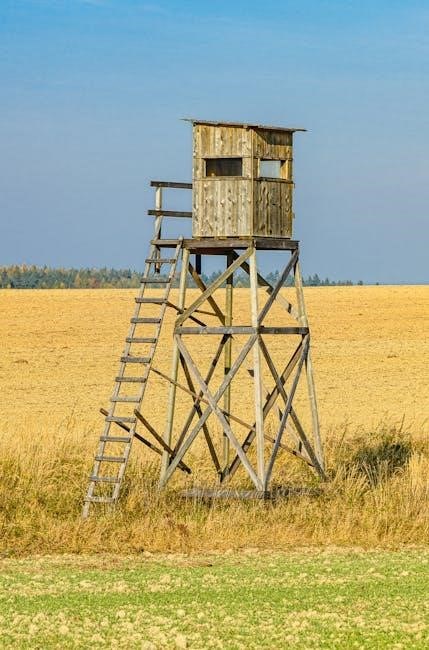
WMAs vary significantly in size, terrain, and permitted hunting activities. Some WMAs may restrict hunting to certain species or require special permits, while others offer more liberal regulations. Accessing detailed maps of each WMA is crucial for identifying boundaries, permitted zones, and any specific restrictions.
The Oklahoma Department of Wildlife Conservation (ODWC) provides comprehensive information on each WMA, including downloadable maps and regulation summaries. Utilizing these resources, alongside digital mapping tools like onX Hunt, ensures hunters are fully aware of the rules and can hunt responsibly and legally within these valuable public lands.
Accessing WMA Specific Hunting Maps
Oklahoma hunters seeking detailed maps for individual Wildlife Management Areas (WMAs) have several reliable resources available. The Oklahoma Department of Wildlife Conservation (ODWC) website is the primary source, offering downloadable PDF maps for most WMAs; These maps typically illustrate boundaries, terrain features, access points, and designated hunting zones.
Navigating the ODWC website requires locating the specific WMA of interest and accessing its dedicated page. Here, hunters will find links to downloadable maps, regulation summaries, and other pertinent information. It’s crucial to download the most current map version, as boundaries and regulations can change annually.
Furthermore, digital mapping applications like onX Hunt often integrate WMA boundaries and regulations, providing interactive mapping experiences. These tools allow hunters to overlay WMA maps with other layers, such as topography and satellite imagery, enhancing pre-hunt planning and situational awareness. Always cross-reference digital maps with official ODWC documentation.
onX Hunt and Other Digital Mapping Tools
Oklahoma hunters are increasingly utilizing digital mapping tools to enhance their planning and on-the-ground navigation. onX Hunt stands out as a popular choice, offering comprehensive features like hunting season dates, interactive area maps, and offline map access – crucial for areas with limited cell service. These tools allow hunters to easily visualize public and private land boundaries, aiding in legal and ethical hunting practices.
Beyond onX Hunt, other digital mapping options exist, each with varying features and price points. Many integrate with GPS devices, enabling precise location tracking and waypoint marking. These applications often allow users to upload and overlay custom layers, such as aerial imagery or topographic maps, tailoring the map to their specific needs.
However, it’s vital to remember that digital maps should supplement, not replace, official ODWC resources. Always verify information found on digital platforms with the latest Oklahoma hunting regulations and official public hunting land maps in PDF format to ensure compliance and a safe hunting experience;
Benefits of Using Digital Hunting Maps
Digital hunting maps offer significant advantages over traditional paper maps for Oklahoma hunters. The primary benefit is accessibility – detailed maps are available on smartphones and tablets, eliminating the need to carry bulky paper copies; onX Hunt and similar platforms provide up-to-date land ownership information, crucial for avoiding trespass and ensuring legal hunts.
These tools streamline pre-hunt planning. Hunters can scout areas remotely, identify potential access points, and mark stand locations before even setting foot on the public hunting land. Offline map availability is a game-changer in areas with poor cell reception, ensuring navigation even in remote WMAs or Corps of Engineers properties.
Furthermore, digital maps often integrate with GPS functionality, allowing hunters to track their location, record waypoints, and navigate back to their vehicles safely. While always cross-referencing with official ODWC PDF maps is essential, digital tools significantly enhance efficiency and safety during Oklahoma hunting seasons.
Understanding Hunting Seasons and Zones
Oklahoma hunting seasons and zones are meticulously defined by the Oklahoma Department of Wildlife Conservation (ODWC), and understanding these regulations is paramount for legal and ethical hunting. Seasons vary significantly depending on the species – deer, turkey, small game, and waterfowl all have distinct opening and closing dates.
The state is divided into zones to manage wildlife populations effectively. These zones dictate specific season lengths and bag limits. Hunters must consult the current ODWC hunting guide or their interactive atlas to determine the applicable regulations for their chosen hunting location, whether it’s a WMA, Corps of Engineers land, or the Chickasaw National Recreation Area.
Digital hunting maps, like those offered by onX Hunt, often integrate season information directly into the map interface, providing a convenient way to verify season dates for specific areas. Always prioritize checking official ODWC resources, including PDF maps and online publications, to ensure compliance with all current regulations before each hunt.
License and Permit Requirements for Oklahoma Hunting
Oklahoma mandates specific licenses and permits for all hunting activities, regardless of whether you’re hunting on public land – like WMAs or Corps of Engineers properties – or private land. The Oklahoma Department of Wildlife Conservation (ODWC) outlines these requirements comprehensively on their website and in their annual hunting guide.
Generally, hunters need a valid Oklahoma hunting license. Depending on the species pursued, additional permits may be required, such as deer, turkey, or waterfowl permits. These permits often have limited availability and are distributed through a lottery system or over-the-counter sales.
When utilizing public hunting land maps, especially PDF versions from the ODWC, it’s crucial to cross-reference the map information with current license and permit regulations. Digital mapping tools like onX Hunt can also provide links to relevant licensing information. Ensuring you possess the correct licenses and permits is not only legally required but also supports wildlife conservation efforts in Oklahoma.
Safety Considerations for Public Hunting Lands
Oklahoma’s public hunting lands, while offering excellent opportunities, require heightened safety awareness. Utilizing public hunting land maps – whether in PDF format or through digital mapping tools like onX Hunt – is the first step, but understanding potential hazards is vital.
Always inform someone of your hunting location and expected return time. Be aware of your surroundings and identify potential hazards like other hunters, unmarked trails, and changes in terrain. Wear blaze orange clothing for increased visibility, a legal requirement in many Oklahoma hunting areas.
When referencing maps of Corps of Engineers lands or Chickasaw National Recreation Area, note any restricted areas or special regulations. Carry a fully charged communication device, a first-aid kit, and sufficient supplies. Respect the land and other hunters, and practice responsible firearm handling. Prioritizing safety ensures an enjoyable and lawful hunting experience on Oklahoma’s public lands.
Resources for Reporting Wildlife Violations
Maintaining the integrity of Oklahoma’s wildlife resources relies on reporting observed violations. While utilizing Oklahoma public hunting land maps – in PDF or digital formats like onX Hunt – aids in legal hunting, knowing how to report illegal activity is equally important.
The Oklahoma Department of Wildlife Conservation (ODWC) provides several avenues for reporting. The ODWC’s Operation Game Thief hotline is a confidential resource for reporting suspected poaching, illegal hunting, or other wildlife crimes. Reports can be made anonymously, and all information is carefully investigated.
Additionally, local game wardens are directly responsible for enforcing Oklahoma hunting regulations. Contacting the nearest warden, or the ODWC regional office, can facilitate a swift response. Accurate details, including location (using map coordinates if possible), date, time, and description of the violation, are crucial. Protecting Oklahoma’s wildlife is a shared responsibility, and reporting violations helps ensure fair chase and sustainable populations.