creation fall redemption restoration pdf
Creation: The Divine Blueprint
The biblical narrative’s core revolves around God’s purposeful act of creation‚ establishing a world deemed “very good․” This foundational event sets the stage for subsequent events‚
shaping theological understanding and providing a framework for interpreting humanity’s role within existence․
The Initial State of Goodness
Genesis 1-2 portrays a creation brimming with inherent goodness‚ a testament to God’s benevolent design․ This wasn’t merely an absence of evil‚ but a positive affirmation of all that existed․ Every element‚ from the vast cosmos to the intricate details of life‚ reflected God’s artistry and purpose․ Humanity‚ formed in God’s image‚ occupied a unique position within this perfect order‚ tasked with stewardship and communion with their Creator․
This initial state wasn’t simply about idyllic surroundings; it was about harmonious relationships – between God and humanity‚ and within creation itself; There was no discord‚ suffering‚ or death․ The Garden of Eden symbolized this perfect harmony‚ a sanctuary where God’s presence was readily accessible․ This pristine condition served as the benchmark against which all subsequent events‚ including the fall‚ would be measured․ Understanding this initial goodness is crucial for grasping the magnitude of what was lost and the necessity of redemption․ It highlights the profound impact of sin and the scope of God’s restorative plan;
God’s Intent for Humanity
God’s purpose in creating humanity wasn’t simply to populate the earth‚ but to establish a relationship of love and fellowship․ Forming humans in His image signified a desire for shared life‚ mirroring His own attributes of creativity‚ reason‚ and morality․ This image-bearing wasn’t a physical resemblance‚ but a capacity for spiritual connection and ethical responsibility․
Humanity was intended to be a reflection of God’s glory‚ demonstrating His character to all creation․ The mandate to “rule” over creation (Genesis 1:28) wasn’t about domination‚ but responsible stewardship – caring for and cultivating the world as God’s representatives․ This included maintaining the harmony of Eden and enjoying unbroken communion with God․ Furthermore‚ procreation was intended to extend this image-bearing‚ filling the earth with individuals capable of reflecting God’s likeness․ Ultimately‚ God’s intent was for humanity to flourish in joyful obedience‚ experiencing the fullness of life in His presence‚ a state tragically disrupted by the fall‚ necessitating a plan of redemption․
The Role of the Garden of Eden
The Garden of Eden served as the epicenter of God’s creation‚ a pristine environment designed for intimate fellowship between God and humanity․ It wasn’t merely a beautiful landscape‚ but a sacred space symbolizing God’s provision and blessing․ The abundance of resources within the garden represented God’s generosity and the ease with which humanity could experience life in His presence․
Eden’s significance extends beyond its physical beauty; it represented a state of perfect harmony – between God‚ humanity‚ and creation․ The single prohibition placed upon Adam and Eve – abstaining from the fruit of the “tree of the knowledge of good and evil” – wasn’t arbitrary‚ but a test of their trust and obedience․ It symbolized the boundary between dependence on God and self-reliance․ The garden‚ therefore‚ functioned as a proving ground‚ where humanity’s loyalty could be demonstrated․ Its loss marked the tragic disruption of this perfect order‚ initiating the fall and necessitating God’s redemptive plan‚ a story beginning in a garden and culminating in a new city․

The Fall: Disobedience and its Consequences
Humanity’s disobedience in the Garden of Eden initiated a profound rupture in the created order‚ introducing sin and its devastating consequences․ This pivotal event altered the course of history․
The Temptation and Transgression
The narrative of the Fall centers on the temptation of Adam and Eve by the serpent in the Garden of Eden․ This wasn’t a simple act of disobedience‚ but a deliberate challenge to God’s established order and a questioning of His goodness․ The serpent‚ often identified with Satan‚ presented a deceptive argument‚ suggesting that God withheld knowledge – specifically‚ the knowledge of good and evil – to maintain control over humanity․
This temptation preyed upon a natural human desire: the desire to be like God‚ to possess divine understanding․ Eve‚ initially captivated by the serpent’s words‚ engaged in dialogue‚ ultimately succumbing to the allure of forbidden knowledge․ She then offered the fruit to Adam‚ who‚ despite being aware of the divine command‚ also partook․
This act of transgression wasn’t merely eating a piece of fruit; it was a conscious rejection of God’s authority and a declaration of independence․ It represented a shift in allegiance‚ prioritizing self-determination over obedience to the Creator․ The consequences of this choice were immediate and far-reaching‚ fundamentally altering the relationship between God and humanity‚ and initiating the corruption of creation itself․
The Immediate Effects of the Fall
The immediate aftermath of Adam and Eve’s disobedience brought about a profound disruption in their relationship with God․ Previously characterized by innocent intimacy and open communion‚ this connection was now fractured by shame and a sense of alienation․ Recognizing their nakedness – a state previously unproblematic – they fashioned coverings for themselves‚ symbolizing a newfound awareness of their vulnerability and separation from divine grace․
God’s response wasn’t one of arbitrary punishment‚ but a just consequence aligned with the nature of their transgression․ He pronounced curses upon the serpent‚ the ground‚ and both Adam and Eve‚ reflecting the disruption introduced into creation․ Labor became toilsome‚ childbirth painful‚ and the ground yielded reluctantly․

Furthermore‚ the Fall introduced mortality into the human experience․ No longer shielded by the sustaining grace of God’s presence‚ Adam and Eve became subject to physical death․ This initial rupture initiated a cascade of negative consequences‚ impacting not only their immediate descendants but all of humanity‚ inheriting a fallen nature prone to sin and suffering․
The Corruption of Creation
The Fall’s repercussions extended far beyond humanity‚ inflicting a pervasive corruption upon the entirety of creation․ While God declared the initial creation “very good‚” the entrance of sin introduced disorder and decay into its systems․ This wasn’t a destruction of creation‚ but a distortion – a bending of its inherent goodness towards brokenness and futility․
The natural world‚ once harmoniously aligned with God’s design‚ became subject to thorns‚ thistles‚ and the struggle for survival․ Animal life‚ previously characterized by peaceful coexistence‚ experienced predation and violence․ The very elements seemed to work against human flourishing‚ reflecting the fractured relationship between humanity and its environment․
This corruption manifests as a pervasive sense of incompleteness and dissatisfaction within creation․ It groans‚ as described in scripture‚ awaiting the ultimate restoration promised through redemption․ The Fall introduced a principle of decay and entropy‚ impacting every aspect of the natural world and foreshadowing the need for a renewed creation․
Redemption: God’s Plan of Rescue
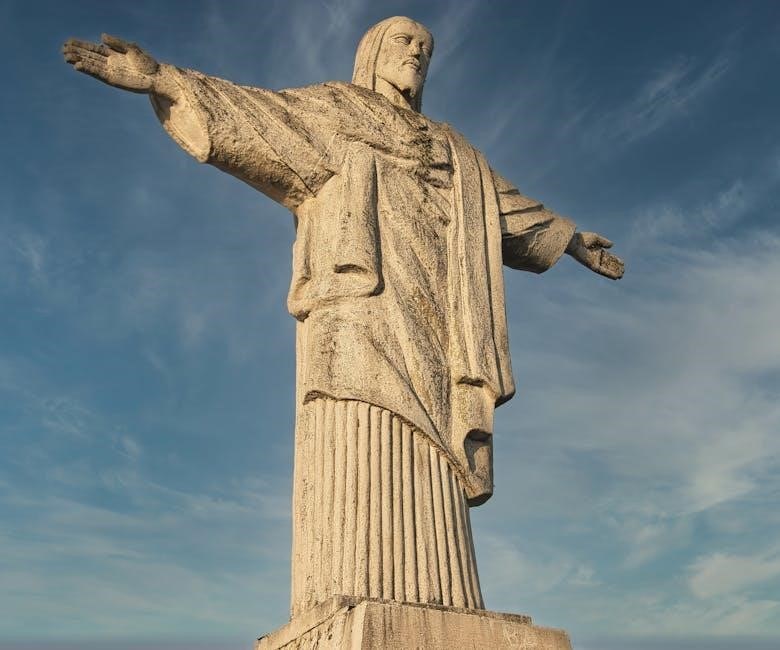
Following the Fall‚ God initiated a plan of redemption‚ a deliberate and purposeful intervention to restore what was lost․ This rescue operation unfolds through covenants and ultimately culminates in Jesus Christ․
The Covenant with Abraham
The covenant established with Abraham marks a pivotal turning point in God’s redemptive plan‚ initiating a focused trajectory towards restoring humanity’s relationship with the divine․ This wasn’t merely a contract‚ but a solemn promise rooted in God’s unwavering faithfulness‚ despite humanity’s ongoing rebellion following the Fall․ God’s pledge to Abraham—a promise of numerous descendants‚ a promised land‚ and ultimately‚ blessing for all nations—laid the groundwork for a chosen people through whom redemption would flow․
This covenant wasn’t based on Abraham’s merit‚ but on God’s sovereign grace․ Abraham’s initial response of faith‚ demonstrated through his willingness to offer Isaac as a sacrifice‚ foreshadowed the ultimate sacrifice of Jesus Christ․ The covenant served as a prototype for the New Covenant‚ highlighting God’s commitment to establishing a lasting relationship with humanity․ It demonstrated a shift from universal judgment after the Fall to a specific‚ focused plan of restoration through a chosen lineage‚ ultimately pointing towards the Messiah and the fulfillment of God’s original creative intent․
The Abrahamic covenant‚ therefore‚ isn’t simply a historical event; it’s a theological cornerstone‚ revealing God’s character and His unwavering commitment to redeeming fallen creation․

The Exodus and the Law
The Exodus represents a dramatic demonstration of God’s power to deliver His people from bondage‚ mirroring a broader theme of liberation from the consequences of the Fall․ God’s act of rescuing Israel from Egyptian slavery wasn’t solely a historical event‚ but a symbolic foreshadowing of the ultimate redemption offered through Jesus Christ․ This liberation established Israel as a nation uniquely positioned to receive and embody God’s law․
The Law‚ given through Moses‚ served multiple purposes․ It revealed God’s holy character and righteous standards‚ exposing humanity’s inherent sinfulness․ Simultaneously‚ it provided a framework for a just and ordered society‚ reflecting aspects of God’s original creative design․ However‚ the Law also highlighted the impossibility of achieving righteousness through human effort‚ ultimately pointing towards the need for a greater righteousness—that found in the Messiah․
While the Law couldn’t restore creation‚ it prepared the way for the ultimate act of redemption․ It functioned as a “tutor” leading to Christ‚ revealing the depth of sin and the necessity of God’s grace․ The sacrificial system within the Law prefigured the ultimate sacrifice of Jesus‚ offering a temporary atonement for sin until the fulfillment of God’s redemptive plan․
The Prophetic Foreshadowing
Throughout the Old Testament‚ prophets served as God’s messengers‚ consistently pointing towards a future hope of restoration and redemption․ Their pronouncements weren’t merely predictions‚ but carefully crafted foreshadowings of the Messiah and His ultimate work of reconciling creation to God․ Prophets like Isaiah‚ Jeremiah‚ and Ezekiel articulated visions of a renewed covenant‚ a suffering servant‚ and a future kingdom characterized by justice and peace․
These prophetic messages often contained dual fulfillments – immediate applications to Israel’s current circumstances‚ alongside deeper‚ future implications relating to Jesus Christ․ The prophecies concerning a Messiah born of a virgin‚ a king from the line of David‚ and a suffering servant who would bear the sins of many‚ all found their ultimate fulfillment in Jesus․
The prophets also emphasized the theme of a “new creation‚” a restoration of the original goodness lost in the Fall․ This restoration wasn’t simply a return to Edenic conditions‚ but a transformed reality where God would dwell with His people‚ and creation itself would be renewed․ Their words served to sustain hope during times of hardship‚ assuring God’s unwavering commitment to His redemptive plan․

Restoration: The Promise of Renewal
God’s redemptive work culminates in the promise of complete restoration—a renewal of all things․ This echoes the original creation’s goodness‚ offering hope beyond redemption’s initial effects․
Jesus Christ as the Redeemer
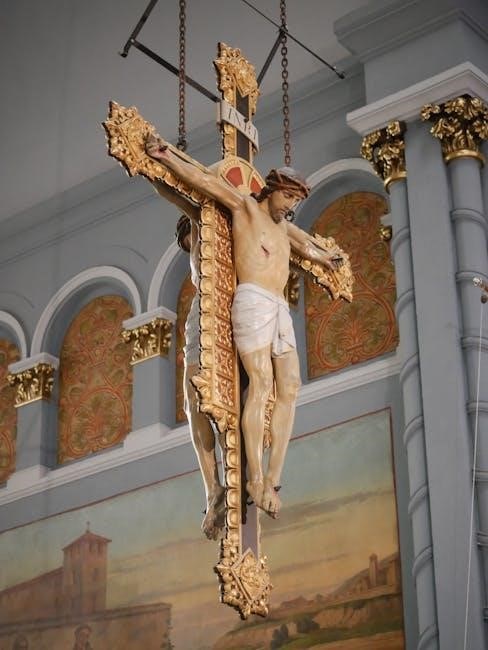
Central to the narrative of redemption is Jesus Christ‚ understood as the pivotal figure in God’s plan to restore fallen creation․ He is presented not merely as a solution to humanity’s sin‚ but as the “Last Adam‚” reversing the effects of the original fall through his perfect obedience and sacrificial death․
This concept draws heavily from Pauline theology‚ emphasizing Christ’s role in reconciling humanity to God and‚ consequently‚ reconciling all things – heaven and earth – through his atoning work․ Jesus embodies God’s grace and mercy‚ offering forgiveness and a pathway back to fellowship with the divine․
His incarnation‚ life‚ death‚ and resurrection are not isolated events‚ but integral components of a comprehensive redemptive strategy․ Through Christ‚ the curse brought upon creation by the fall is broken‚ and the promise of renewal begins to unfold․ He is the bridge between a broken world and a restored future‚ embodying the hope of a new creation and fulfilling the ancient prophecies․
Ultimately‚ Jesus Christ serves as the definitive expression of God’s love and the cornerstone of the restoration narrative‚ offering a transformative hope for all who believe․
The Atonement and Forgiveness
The concept of atonement‚ achieved through Jesus Christ’s sacrifice‚ is fundamental to understanding God’s redemptive work․ It addresses the brokenness caused by the fall‚ providing a means for reconciliation between humanity and a holy God․ This isn’t simply a legal transaction‚ but a profound act of love and justice satisfied․
Forgiveness‚ flowing from the atonement‚ is not merely the cancellation of sin‚ but the restoration of relationship․ It’s a complete pardon‚ removing both the guilt and the penalty associated with transgression․ This forgiveness is offered freely‚ yet requires acceptance through faith in Jesus Christ․
Various theological models explain the atonement – penal substitution‚ Christus Victor‚ moral influence – each highlighting different facets of Christ’s work․ Regardless of the model‚ the core remains: Jesus bore the consequences of sin‚ allowing for divine justice to be upheld and mercy to be extended․
Through atonement and forgiveness‚ the barrier created by the fall is removed‚ paving the way for restoration and a renewed relationship with God‚ offering hope and healing to a broken world․
The New Covenant
The New Covenant‚ established through Jesus Christ‚ represents a significant shift from the Old Covenant‚ though building upon its foundations․ It’s not a replacement‚ but a fulfillment‚ offering a deeper and more complete relationship with God‚ accessible to all who believe․
Unlike the Old Covenant‚ based on law and external obedience‚ the New Covenant is characterized by grace and internal transformation․ The law is no longer the primary means of justification‚ but a guide for those already redeemed․ God’s law is now written on the hearts of believers‚ empowering them to live righteously․
Central to the New Covenant is the promise of forgiveness of sins and the indwelling of the Holy Spirit․ This empowers believers to live a life pleasing to God‚ bearing fruit of the Spirit and demonstrating God’s love to the world․
The New Covenant anticipates the ultimate restoration of all things‚ culminating in the new heaven and new earth‚ where God will dwell with humanity in perfect harmony‚ fulfilling the original creation mandate․

Creation‚ Fall‚ Redemption‚ Restoration in PDF Format
PDFs facilitate accessible study and widespread dissemination of this core biblical narrative․ They preserve theological integrity‚ enabling focused study and sharing of these vital truths․
Accessibility and Distribution
The PDF format dramatically enhances the accessibility and distribution of resources detailing the Creation‚ Fall‚ Redemption‚ and Restoration narrative․ Unlike other formats prone to rendering issues across diverse devices‚ PDFs maintain consistent formatting‚ ensuring the theological message remains intact regardless of the user’s operating system or software․ This consistency is paramount when presenting complex theological concepts․
Furthermore‚ PDFs are easily shareable via email‚ websites‚ and cloud storage‚ facilitating broad dissemination to students‚ scholars‚ and interested individuals globally․ The portability of PDFs allows for offline study‚ a crucial benefit in areas with limited internet connectivity․ Creating searchable PDFs enables users to quickly locate specific passages or themes within the document‚ aiding in in-depth research and comprehension․
The relatively small file size of optimized PDFs also contributes to efficient distribution‚ minimizing bandwidth consumption and download times․ This is particularly important for reaching audiences in regions with slower internet speeds․ Ultimately‚ the PDF format serves as a powerful tool for democratizing access to this foundational Christian worldview‚ fostering theological understanding and promoting meaningful dialogue․
Theological Significance of PDF Format
Employing the PDF format for disseminating materials on Creation‚ Fall‚ Redemption‚ and Restoration carries inherent theological weight․ The PDF’s preservation of textual integrity mirrors the biblical emphasis on the unchanging nature of God’s Word and His redemptive plan․ It safeguards against accidental alterations or misinterpretations that could arise from fluid document formats․

The PDF’s capacity for hyperlinking allows for seamless cross-referencing between scriptural passages and theological explanations‚ fostering a deeper understanding of the interconnectedness of these core doctrines․ This feature encourages a holistic view of the biblical narrative‚ emphasizing the unified story of God’s relationship with humanity․
Moreover‚ the PDF’s archival quality ensures the long-term preservation of these theological resources‚ safeguarding them for future generations․ This reflects the enduring relevance of the Creation‚ Fall‚ Redemption‚ and Restoration framework for understanding the human condition and God’s ultimate purposes․ The format’s stability symbolizes the steadfastness of God’s covenant promises and the certainty of His plan for renewal․
Study and Dissemination
PDF documents facilitate focused study of the Creation‚ Fall‚ Redemption‚ and Restoration narrative․ Their portability allows for convenient access on various devices‚ enabling individuals to engage with these theological concepts anytime‚ anywhere․ The fixed-layout format minimizes distractions‚ promoting concentrated reading and reflection on the biblical storyline․
Dissemination via PDF is remarkably efficient‚ allowing for widespread distribution to diverse audiences – from individual study groups to academic institutions․ This accessibility empowers broader engagement with core Christian beliefs and encourages thoughtful dialogue about God’s plan for humanity․
Furthermore‚ PDFs support annotation features‚ enabling readers to highlight key passages‚ add personal notes‚ and formulate questions‚ fostering a more interactive and personalized learning experience․ Sharing annotated PDFs promotes collaborative study and deeper theological exploration within communities․ The format’s versatility makes it ideal for educational purposes‚ equipping individuals to understand and articulate the foundational truths of the Christian faith․

Future Restoration: The New Creation
The culmination of God’s plan is the promise of a new heaven and a new earth‚ a restored creation free from sin’s curse‚ perfectly reflecting His original intent․
The Second Coming of Christ
Central to the future restoration is the anticipated second coming of Jesus Christ․ This event isn’t merely a continuation of His previous ministry‚ but a dramatic and definitive intervention in history‚ marking the completion of God’s redemptive plan․ The scriptures consistently portray this return as both a visible and powerful manifestation of divine authority‚ signaling the end of the present age and the ushering in of the new creation․
This return is directly linked to the fulfillment of prophecies scattered throughout the Old and New Testaments‚ solidifying its place as a cornerstone of Christian eschatology․ It represents the ultimate triumph over sin and evil‚ culminating in the final judgment and the establishment of God’s eternal kingdom․ The Second Coming isn’t simply about correcting the consequences of the Fall; it’s about fully realizing God’s original intention for creation – a perfect harmony between heaven and earth․
Furthermore‚ it signifies the complete restoration of all things‚ including the physical realm‚ transforming it into a dwelling place where righteousness reigns․ This event is not a replacement of the current world‚ but a renewal‚ a purification‚ and a perfection of it‚ aligning it with God’s original design․

The New Heaven and New Earth
The culmination of God’s redemptive work is the promise of a new heaven and a new earth‚ a transformed reality where the effects of the Fall are utterly reversed․ This isn’t a mere spiritual realm‚ but a renewed cosmos – a physical and tangible creation free from sin‚ suffering‚ and death․ Revelation 21 and 22 vividly depict this future state‚ showcasing a perfect dwelling place for God and His redeemed people․
This new creation represents the ultimate restoration of the original harmony between God‚ humanity‚ and the environment‚ echoing the “very good” assessment of Genesis․ It signifies the complete fulfillment of God’s initial intent‚ a world where righteousness dwells and where His glory is fully manifested․ The new earth isn’t a replacement for the old‚ but a perfected version‚ purged of all corruption and filled with divine presence․
Importantly‚ this future isn’t solely about escaping the present world; it’s about God’s commitment to redeeming and transforming it․ The new heaven and new earth represent the ultimate expression of hope‚ promising a future where believers will experience eternal life in perfect communion with God‚ within a renewed and glorious creation․